Many users assume that using cryptocurrency makes an IPTV subscription 100% anonymous, but recent law enforcement raids have proven otherwise. Police confirmed that tracing digital wallets was a key factor in dismantling the "Operation Switch Off" syndicate. Is it still safe to buy IPTV with crypto? The answer depends on which coin you use and your "privacy stack." Here is the 2026 reality of anonymous streaming.
The Operation Switch Off Reality Check: How They Traced the 'Untraceable'
In January 2026, the sweeping crackdown known as Operation Switch Off Impact sent shockwaves through the streaming world. Authorities successfully dismantled a massive European network, tracing a staggering €47 million in illicit funds. The revelation? Much of the tracking was done directly through cryptocurrency ledgers.
The strategy utilized a "Cyber-Patrol" unit. Undercover police bought subscriptions directly from providers using Bitcoin. By doing this, they obtained the initial deposit addresses. From there, using advanced blockchain forensics tools like Chainalysis Reactor, they mapped the entire network's financial flow. Through partnerships with centralized exchanges (CEXs) like Binance and Coinbase, authorities linked pseudonymous wallet addresses to real-world identities subjected to KYC (Know Your Customer) verifications. It became clear that simply choosing to buy IPTV with crypto is not an automatic shield against blockchain forensics.
Monero vs. Bitcoin in 2026: The Gap Between Privacy and Transparency
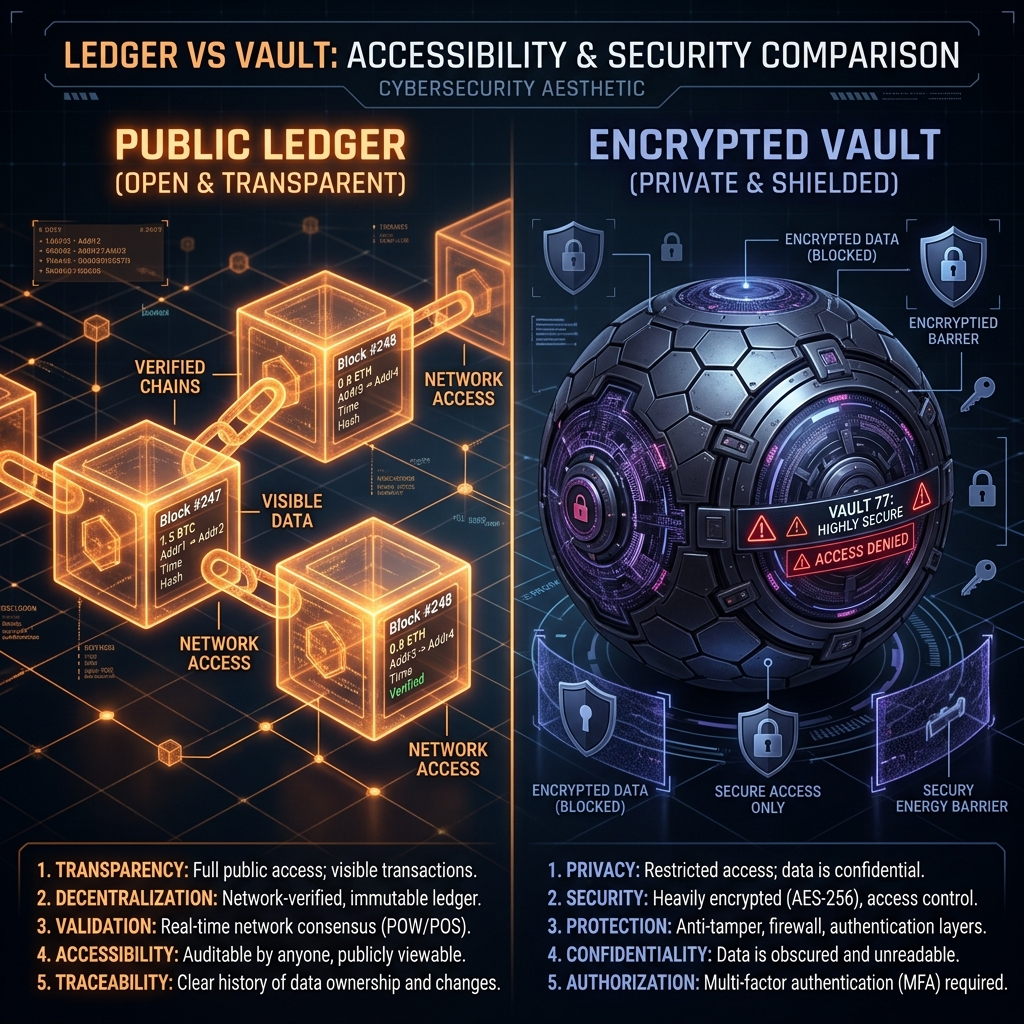
When people ask how to buy IPTV anonymously 2026, the conversation inevitably turns to Monero vs Bitcoin for streaming privacy. The contrast between these two cryptocurrencies has never been starker than in the post-Operation Switch Off landscape.
Bitcoin (BTC) operates on a completely transparent public ledger. Every transaction, wallet address, and amount is visible to anyone. In the era of the MiCA (Markets in Crypto-Assets) regulation and the FATF Travel Rule, Bitcoin has become heavily monitored. While it acts as excellent "Digital Gold," using Bitcoin IPTV services through a KYC-linked exchange is essentially a "Privacy Trap." The moment you withdraw funds from a CEX to a provider's wallet, your identity is mathematically tied to that payment.
In stark contrast, Monero (XMR) offers protocol-level privacy. Following its monumental late 2025 FCMP++ (Full-Chain Membership Proofs) upgrade, Monero replaced its legacy Ring Signatures. This upgrade references over 150 million past outputs for every transaction, expanding the anonymity set so massively that statistical deanonymization is now nearly impossible for even state-sponsored forensics firms. For anonymous IPTV, Monero remains the gold standard.
The 2026 Privacy Stack: How to Pay for IPTV Safely
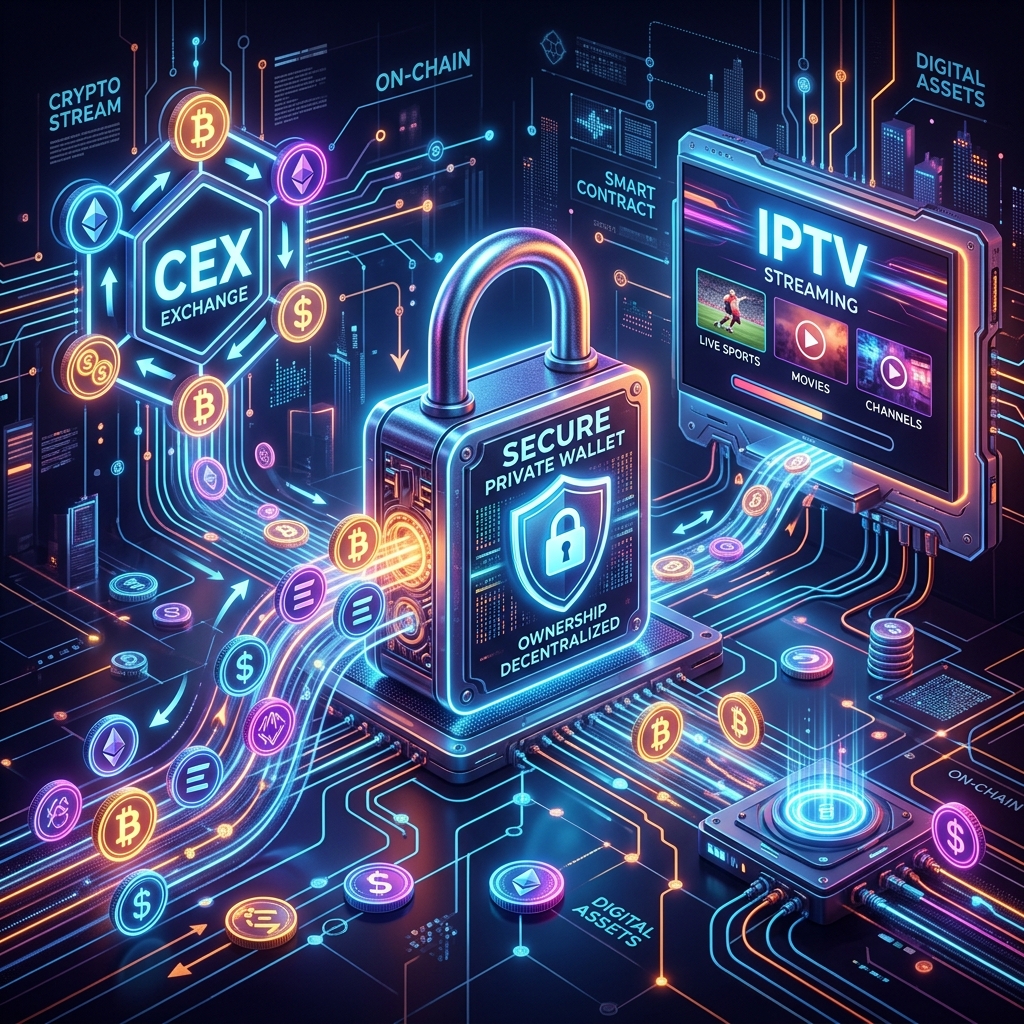
If you want to buy IPTV with crypto safe in 2026, you cannot rely on the currency alone. You need a comprehensive "privacy stack" to ensure complete operational security. Here is a step-by-step technical guide for establishing a secure payment workflow:
- Disconnect from KYC Exchanges: Never send funds directly from an exchange like Coinbase to an IPTV provider. Always withdraw funds to an intermediary, self-custodial wallet (like Cake Wallet or Feather Wallet) first.
- Use Monero (XMR): If your provider accepts it, swap your BTC or USDT for XMR using a non-KYC decentralized exchange (DEX) or atomic swap service. This breaks the on-chain link completely.
- Implement VPN Broadcasting: When making the final payment broadcast from your private wallet, ensure you are connected to a trusted VPN. Your ISP cannot see the transaction content, but they can see the IP address broadcasting to the network. View our guide on the Best VPN for IPTV Europe to secure your network layer.
- Utilize Burner Communications: Never register for an anonymous IPTV service using your primary personal or work email. Use an encrypted email service like ProtonMail or a temporary burner alias.
Crypto vs. Credit Cards for IPTV: A 2026 Comparison Table
While cryptocurrency is favored by privacy advocates, traditional payment methods still have their place. Understanding the trade-offs between privacy, chargeback protection, and traceability is crucial.
Frequently Asked Questions
Can police track my Bitcoin IPTV payment?
Yes, if linked to a KYC exchange. Bitcoin's public ledger allows blockchain forensics firms to trace payments from exchanges directly to service providers, which was a major factor in recent crackdowns like Operation Switch Off.
Is Monero better than Bitcoin for IPTV in 2026?
Yes, due to enforced protocol-level privacy. With the late 2025 FCMP++ upgrade, Monero makes statistical deanonymization nearly impossible by expanding its anonymity set significantly compared to legacy systems.
Will my ISP see that I paid for IPTV with crypto?
Not the content of the payment, but the transaction broadcast if no VPN is used. They can monitor traffic and determine that you are communicating with a cryptocurrency network. Always use a VPN to obfuscate this network activity.
Crypto is only as safe as the protocol you choose. In 2026, privacy is no longer optional—it's a requirement for security. Ensure your setup is protected by visiting our VPN Security Guide to close the final loop in your streaming anonymity. For details on how to set it up, check out our Anonymous Setup Guide.
Written by the Zyminex Security Team
Our privacy and streaming security experts, dedicated to keeping your digital footprint secure.